
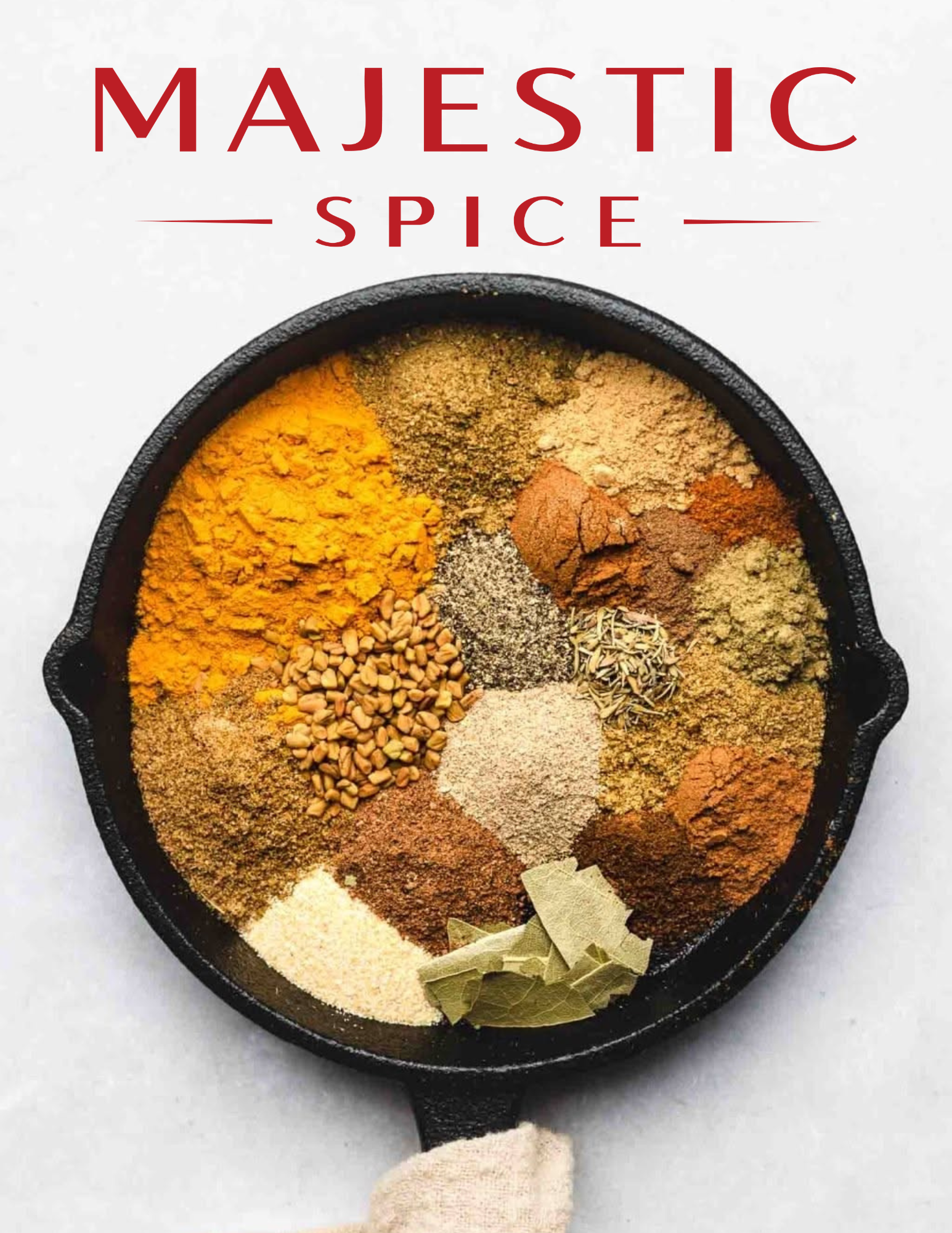
For food manufacturers and private label brands, understanding the basic types of granulation, and why a supplier recommends one over another, is a practical part of specifying a seasoning blend correctly the first time.
What Granulation Actually Means
Granulation refers to the particle size of a spice or seasoning ingredient, ranging from fine powders to coarse, visible pieces. Common categories include:
• Powder. Very fine particles, often used when a smooth, uniform coating or quick flavor release is needed, such as in dry rubs for coated proteins or in dust-style snack seasonings.
• Fine granulation. Slightly coarser than powder, offering better flow characteristics during high-speed production while still providing even coverage.
• Coarse granulation. Larger, more visible particles, often used when a product needs a textural element or a more rustic, artisanal appearance, such as in specialty sausage blends or premium snack lines.
• Flake or cracked form. Larger, irregular pieces, common in ingredients like red pepper flakes or cracked black pepper, used when visual appeal and texture are part of the product experience.
Each of these behaves differently once it enters a production environment, which is where granulation stops being a cosmetic detail and starts affecting actual output.
Why Granulation Affects Production Performance
Particle size influences several practical aspects of manufacturing that are easy to miss during initial formulation:
• Flow and dispensing. Fine powders can clump or bridge in dispensing equipment, especially in humid environments, while coarser granulations tend to flow more predictably through automated seasoning applicators.
• Adhesion to the product surface. A powder may adhere well to a moist or oiled surface but fail to stick to a dry one, while a coarser granulation might need a tackifier or additional oil to adhere properly.
• Coverage consistency. Uneven granulation, meaning a mix of particle sizes within the same blend, can cause inconsistent flavor distribution, since finer particles often settle differently than coarser ones during storage and transport.
• Equipment wear and calibration. Coarser materials can behave differently in mixing and application equipment than fine powders, sometimes requiring different settings or maintenance schedules to maintain consistent output.
A blend that tastes correct in a lab sample can still underperform on the production floor if the granulation was not matched to the actual application method.
Practical Impact for R&D and Procurement Teams
When specifying a seasoning blend, granulation decisions should be tied directly to how the product will be used, not treated as an afterthought after the flavor is finalized. A few common scenarios illustrate why this matters:
• Snack seasoning applied by tumbler or drum. This method generally performs better with finer granulations that adhere evenly to oil-coated surfaces without settling unevenly in the drum.
• Dry rubs applied by hand or through automated rub applicators. These often benefit from a slightly coarser granulation that provides visible texture and doesn’t disappear into the surface of the product.
• Blends going into a wet marinade or brine. Particle size affects how quickly and evenly the seasoning disperses in liquid, which changes both flavor consistency and appearance.
• Products where visual appeal matters at retail. Flake or cracked forms are often chosen specifically because they are visible on the finished product, signaling a more premium or artisanal positioning.
R&D teams should be testing granulation choices under the same conditions as actual production, not just in a lab setting, since equipment behavior can shift the outcome.
Questions Buyers Should Ask
Procurement and R&D teams working with a seasoning supplier should be asking a few direct questions before finalizing a blend:
• What granulation is being used for each individual ingredient in the blend, not just the finished mix?
• How consistent is the particle size distribution from batch to batch, and can the supplier provide documentation on this?
• Has this granulation been tested on the specific application equipment being used, such as a drum, tumbler, or rub applicator?
• Will the granulation affect shelf stability, such as caking, settling, or separation of ingredients within the blend?
• If a granulation change is needed after initial testing, what is the turnaround time to adjust and re-test the blend?
These questions are especially important when scaling from a small trial batch to full production, since granulation performance does not always scale predictably.
Getting Granulation Right the First Time
Granulation is not a minor technical detail. It affects how a seasoning blend performs on the line, how consistently it delivers flavor, and how the finished product looks and feels to the end customer. Manufacturers and private label brands that address granulation early, alongside flavor and formulation, avoid costly rework later in the process.
Specifying granulation correctly from the start, and confirming it through real production testing rather than lab samples alone, is one of the simpler ways to protect product consistency and avoid delays once a blend moves into full-scale manufacturing.
POST #1
Particle size is one of the most overlooked specs in seasoning blend development
Flavor profile, heat level, and sourcing usually get the most attention during formulation. Granulation often gets treated as a detail to sort out later.
In practice, particle size affects how a blend performs on the production line, how it looks on the finished product, and how consistently it delivers flavor from batch to batch. A blend that tastes right in a lab sample can still underperform once it reaches actual production equipment.
A few granulation types worth understanding from the start:
- Powder offers a smooth, uniform coating and quick flavor release, common in dry rubs and dust-style snack seasonings
- Fine granulation flows more predictably through high-speed equipment while still giving even coverage
- Coarse granulation adds a textural, more artisanal appearance, often used in specialty sausage or premium snack lines
- Flake or cracked form brings visible texture and appearance, common in ingredients like red pepper flakes or cracked black pepper
Granulation is not a cosmetic detail. It is a functional spec that belongs in the conversation from day one.
#FoodManufacturing #SeasoningBlends #IngredientEvaluation #ProductDevelopment #MajesticSpice