
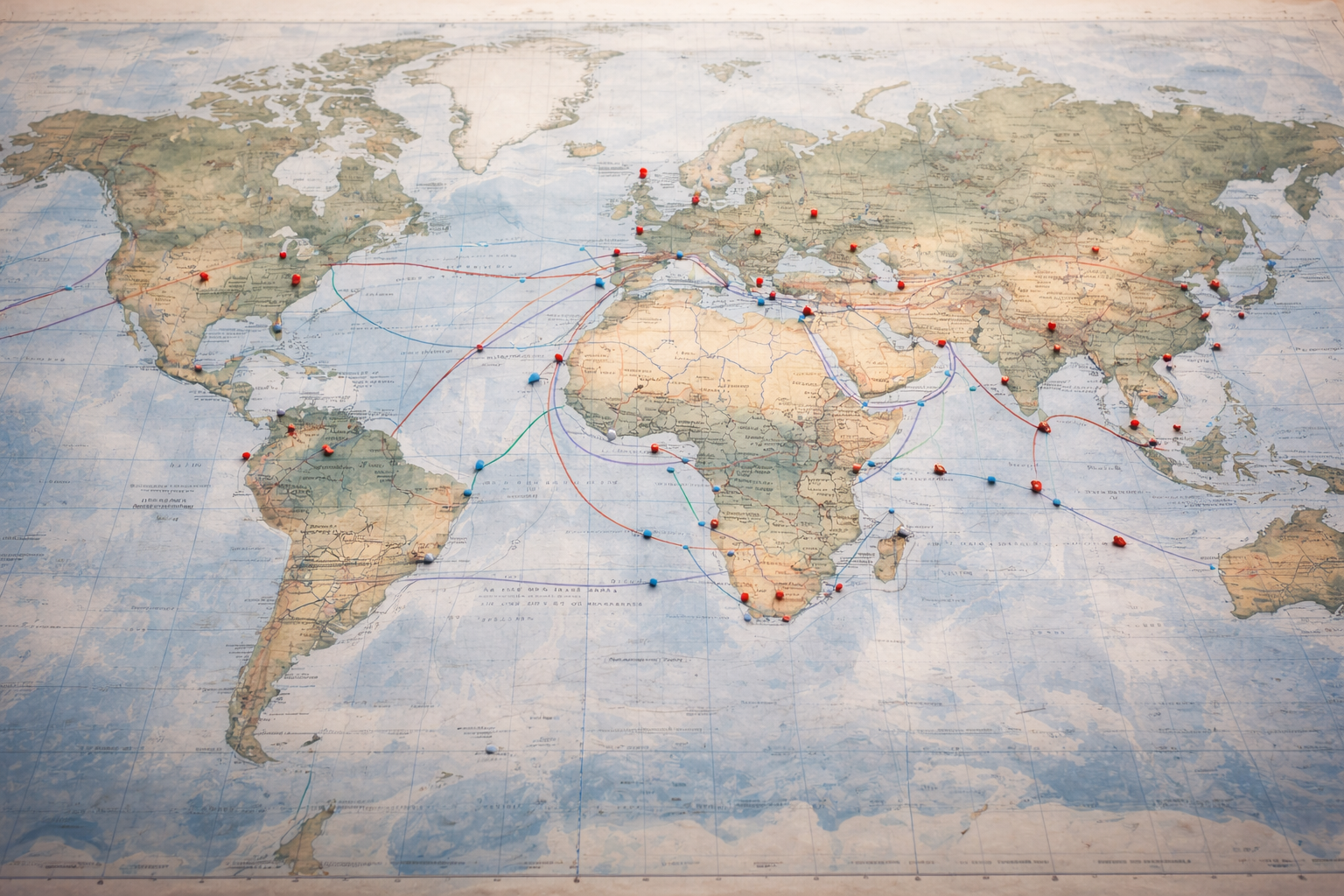
The global spice market is highly interconnected. Spices grown in one region are often processed, traded, and consumed across multiple continents. Because of this, geopolitical developments (such as regional conflicts, trade restrictions, or disruptions in shipping routes) can quickly influence availability, pricing, and sourcing decisions.
Recent reports from international commodity analysts indicate that geopolitical tensions are beginning to affect trade flows for several spices, particularly those exported from major producing countries like India. For food manufacturers, ingredient buyers, and product developers, understanding these dynamics is important for planning procurement strategies and managing supply risk.
Why Geopolitics Matters in the Spice Trade
Unlike many manufactured goods, spices are agricultural commodities that depend on specific climates and regions. Production is concentrated in a limited number of countries, which makes the supply chain sensitive to disruptions.
For example:
- India is the world’s largest exporter of several spices, including cumin, turmeric, and chili.
- Vietnam is the leading exporter of black pepper.
- Indonesia supplies significant volumes of cloves and nutmeg.
- Guatemala dominates global cardamom production.
When geopolitical tensions affect trade routes, banking systems, or logistics infrastructure, the flow of these products can slow down or become more expensive. Even if crops are harvested normally, exporters may face challenges moving goods to international buyers.
India’s Role in Global Spice Supply
India plays a central role in the global spice market. According to the Indian Spices Board, the country exports more than 200 different spices and spice products to over 180 countries.
In the 2023–2024 season, India exported approximately:
- 1.5 million metric tons of spices
- valued at over USD $4 billion
Some of the most traded products include:
- Chili peppers
- Cumin seeds
- Turmeric
- Coriander
- Black pepper
Because of this concentration of supply, any disruption affecting Indian exports can influence pricing and availability across global markets.
Recent market reports indicate that geopolitical tensions in certain regions are already affecting trade flows connected to Indian spice exports. In particular, tensions affecting trade in parts of the Middle East have influenced demand patterns for spices like cumin.
Example: Cumin Market Volatility
Cumin is a useful example of how geopolitics can influence spice markets.
Major cumin producers include:
- India
- Syria
- Turkey
- Iran
However, geopolitical instability in some producing regions has reduced export activity in recent years. As a result, buyers have increasingly relied on Indian cumin supply.
This shift in demand has contributed to price volatility in the cumin market. When supply from one region becomes uncertain, buyers often secure inventory earlier or increase purchasing volumes, which can temporarily push prices upward.
Logistics and Trade Route Challenges
Beyond production itself, geopolitical tensions can affect the movement of spices through global shipping routes.
Some of the issues currently affecting trade include:
- Shipping delays due to security risks in certain maritime corridors
- Higher freight costs as vessels reroute around unstable regions
- Insurance premiums increasing for cargo moving through high-risk zones
- Longer transit times affecting delivery schedules
For manufacturers that rely on consistent ingredient supply, these logistical disruptions can create challenges for production planning.
How Buyers Are Responding
In response to increased uncertainty, many food manufacturers and ingredient buyers are adjusting their sourcing strategies.
Common approaches include:
Diversifying suppliers
Instead of relying on a single origin, companies work with multiple sourcing regions when possible.
Securing supply earlier
Some buyers are purchasing larger volumes earlier in the season to reduce the risk of shortages.
Working with established suppliers
Reliable suppliers with strong sourcing networks can help navigate market volatility.
Monitoring market intelligence
Regular market updates help procurement teams anticipate price trends and supply risks.
Market Signals to Watch in the Coming Months
Several indicators will likely shape the spice market throughout the year:
- Weather conditions affecting harvests in major producing regions
- Political developments influencing trade flows
- Freight costs and shipping route stability
- Demand growth in processed foods and ready meals
- Inventory levels held by traders and processors
Monitoring these variables can help buyers make more informed purchasing decisions.
Quick Takeaways
- The global spice trade is highly sensitive to geopolitical developments.
- India remains a key supplier of many spices, including cumin, chili, and turmeric.
- Disruptions in certain regions can shift demand toward alternative suppliers.
- Logistics challenges and shipping risks can increase costs and delivery times.
- Buyers are responding by diversifying sourcing strategies and monitoring markets more closely.
Conclusion
Spices may seem simple, but their supply chains are global and complex. Geopolitical tensions can influence everything from pricing to shipping timelines, even when harvest volumes remain stable.
For food manufacturers and procurement teams, staying informed about market conditions is essential. Understanding how global events influence spice trade flows can help businesses reduce sourcing risk and maintain consistent product quality.
As the spice market continues to evolve in 2026, companies that combine strong supplier relationships with informed purchasing strategies will be better positioned to navigate uncertainty.
Sources
Mundus Agri. (2026). Spice market update: Geopolitical tensions restrict trade.
Spices Board India. (2024). Indian spice export statistics.