
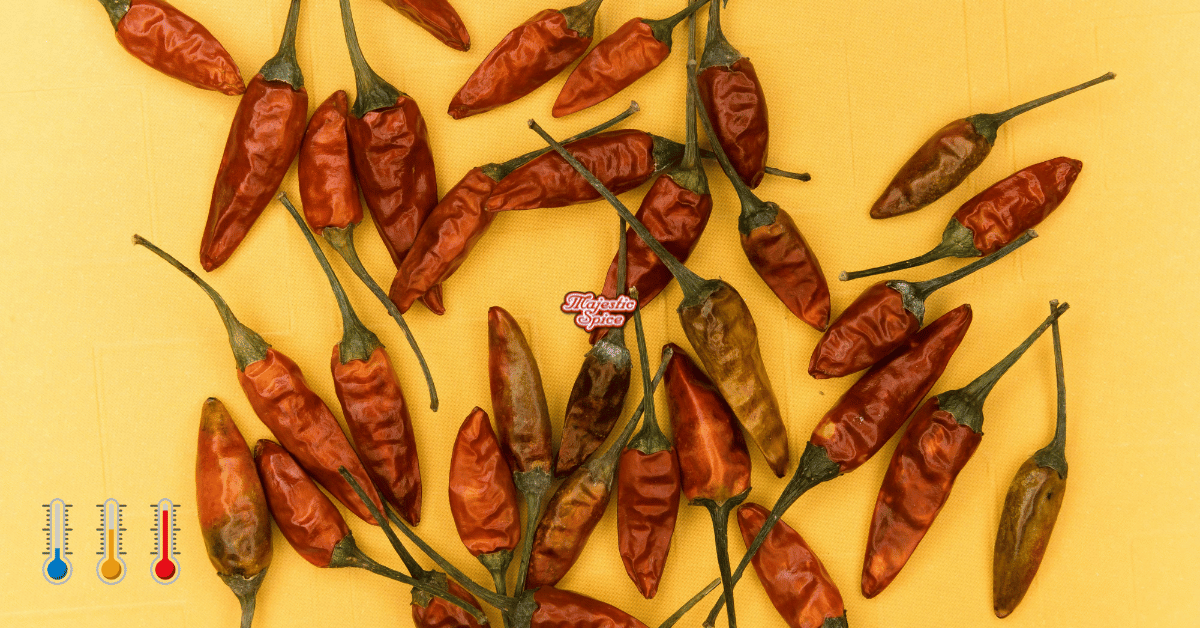
When people describe a chili as “hot,” they’re usually talking about a sensation. In manufacturing, that sensation has a name, a measurement, and a specification: capsaicin.
Capsaicin and related capsaicinoids are the compounds responsible for heat in peppers. They’re naturally occurring, and like most agricultural components, they vary. That variation is normal in farming — but in large-batch food production, it needs to be managed.
Heat Is Not Guesswork Anymore
The Scoville Heat Unit (SHU) scale is still the most familiar way to describe chili heat. What has changed over time is how those numbers are determined.
Today, commercial spice producers rely on laboratory analysis, not taste testing. Capsaicinoid levels are measured using analytical methods that quantify heat compounds directly. Those results are then converted into standardized heat values used across the food industry.
This approach removes subjectivity and allows everyone — from sourcing to R&D to quality teams — to work with the same reference point.
Why Heat Varies So Much in Chilies
Even within the same variety, capsaicin levels can shift due to:
- climate and rainfall
- soil conditions
- harvest timing
- drying methods
- storage and aging
A cayenne from one harvest can be noticeably hotter or milder than the same crop a year later. Without testing, those differences only show up once the product is already in use.
Why Standardization Matters in Large Batches
Consistency for customers
Food manufacturers expect the same heat level every time they receive a spice. A small change in capsaicin concentration can noticeably alter a finished product — especially in sauces, snacks, and seasoning blends.
When heat is standardized, customers don’t need to adjust recipes batch by batch.
Stability in formulation
Capsaicin doesn’t exist in isolation. It interacts with salt, fat, sweetness, and aroma. If heat shifts unexpectedly, the entire flavor balance can feel off, even if all other ingredients stay the same.
Standard heat ranges help keep formulations stable over time.
Clear internal specifications
Instead of relying on descriptive terms like “medium hot” or “extra spicy,” manufacturers can define clear acceptance ranges. This makes quality control decisions faster and more objective.
How Heat Standardization Works in Practice
Most large-scale spice operations follow a similar process:
- Set a target range
Heat is defined as a range, not a single number, allowing for natural variation while keeping the final product consistent. - Test incoming lots
Each lot of chili powder or crushed pepper is sampled and analyzed before use. - Blend strategically
Hotter lots can be balanced with milder ones to stay within specification. This is a common and accepted practice in spice production. - Document results
Heat data is recorded alongside batch numbers and origin information, supporting traceability and audits.
This system turns agricultural variability into a controlled input rather than a risk.
Heat vs. Flavor: An Important Distinction
More heat does not automatically mean more flavor.
Capsaicin contributes pungency, not aroma. Flavor comes from volatile compounds that give chilies their character: smoky, fruity, earthy, or sharp. Over-focusing on heat alone can flatten a spice if flavor quality isn’t evaluated alongside lab data.
That’s why many suppliers pair analytical testing with sensory checks to ensure the spice still tastes the way it should.
What’s Shaping This Topic Going Into 2026
As of late 2025, several trends are making heat standardization even more important:
- Growing demand for consistent “heat levels” in branded products
- Tighter specifications from private-label buyers
- Increased use of natural chilies instead of extracts in clean-label products
- Climate variability leading to wider swings in capsaicin levels between harvests
Together, these factors make analytical heat control less optional and more foundational.
The Takeaway
Capsaicin measurement isn’t about making chilies uniform or removing their character. It’s about ensuring reliability when products are made at scale.
Standardized heat levels allow manufacturers to:
- Deliver consistent products
- Protect flavor balance
- Reduce formulation adjustments
- Build trust with buyers
In large-batch production, managing heat isn’t just a technical detail; it’s part of quality.