
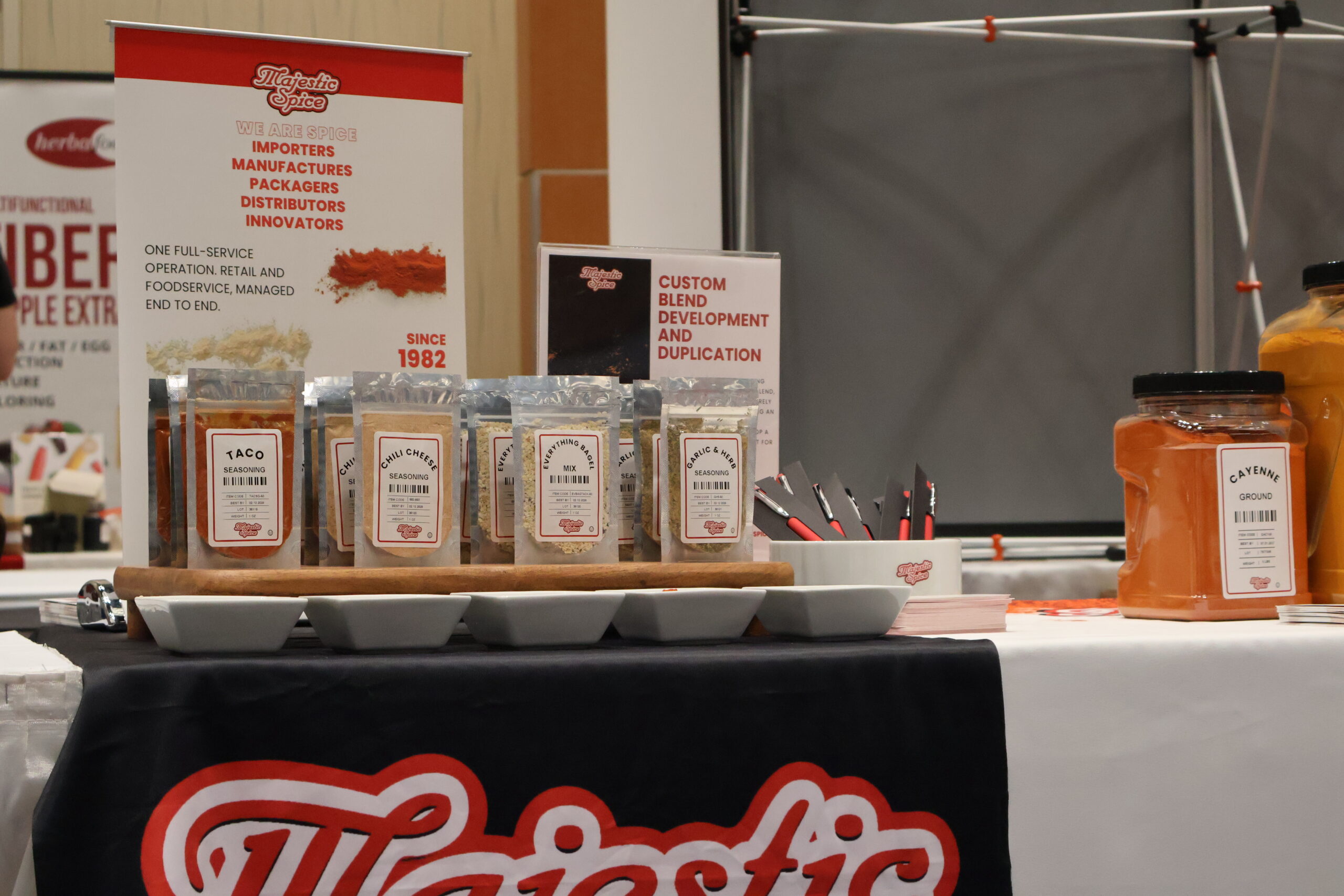
In a digital world where communication happens instantly through email, video calls, and online marketplaces, it might seem like trade shows are becoming less relevant. However, in industries such as food ingredients, manufacturing, and supply chain sourcing, trade shows continue to play a critical role in building relationships, evaluating products, and understanding market trends.
For companies that work with spices, seasonings, and food ingredients, trade shows remain one of the most effective ways to connect suppliers with buyers and industry professionals.
A Space for Real Industry Connections
Unlike digital communication, trade shows provide an environment where professionals from across the food manufacturing ecosystem can meet in person. Ingredient suppliers, product developers, purchasing managers, and manufacturers gather in the same space to exchange ideas and explore new opportunities.
In B2B industries, purchasing decisions often depend heavily on trust and long-term partnerships. Face-to-face interaction allows companies to discuss product specifications, sourcing capabilities, and supply conditions in a more direct and transparent way.
For ingredient suppliers, these conversations are particularly important. Buyers often want to understand not only pricing but also origin, quality standards, supply stability, and processing capabilities before making purchasing decisions.
Product Evaluation and Sensory Experience
Another key advantage of trade shows is the ability to experience products directly.
In the food ingredient industry, sensory evaluation plays an essential role in product development. Buyers and developers frequently want to see, smell, and taste ingredients before incorporating them into their formulations.
Trade shows allow companies to showcase their products in real applications, such as seasoning blends, sauces, snacks, or ready-to-eat meals. This helps manufacturers better understand how ingredients perform in different formulations and processing environments.
For spice suppliers, this is an opportunity to demonstrate product consistency, color, aroma, and functionality in real time.
Discovering Market Trends
Trade shows also serve as a hub for industry insights.
Events often include educational sessions, market briefings, and presentations where experts discuss trends affecting food manufacturing. These topics may include:
- Ingredient sourcing challenges
- Changes in global spice production
- Regulatory developments
- Consumer demand for natural and clean-label ingredients
- Supply chain disruptions
According to the Center for Exhibition Industry Research (CEIR), 81% of trade show attendees have buying authority, and 92% attend specifically to discover new products and suppliers. This makes trade shows one of the most concentrated environments for market intelligence and business development.
For suppliers, observing these conversations helps identify where the market is heading and how product offerings may need to evolve.
Building Long-Term Supplier Relationships
In industries that depend on agricultural commodities such as spices, reliability and consistency are critical.
Manufacturers rely on suppliers who can provide stable quality, dependable logistics, and transparent sourcing practices. Trade shows help strengthen these relationships by allowing both sides to discuss challenges and expectations openly.
These interactions often lead to follow-up conversations, sample evaluations, and eventually long-term supply partnerships.
In many cases, the first introduction between a supplier and a buyer begins with a simple conversation at a trade show booth.
Why Trade Shows Continue to Matter
Despite the growth of digital communication tools, trade shows continue to provide value that online platforms cannot fully replicate.
They allow professionals to:
- Build trust through face-to-face interaction
- Evaluate products directly
- Discover new suppliers and ingredients
- Learn about industry trends
- Strengthen long-term partnerships
For companies operating in the food ingredient sector, trade shows remain an important part of staying connected to the market and supporting informed sourcing decisions.
As the industry continues to evolve, these events will likely remain a key meeting point for the people and ideas shaping the future of food manufacturing.
Sources
Center for Exhibition Industry Research (CEIR). (2023). The Role and Value of Trade Shows in B2B Industries.
UFI – The Global Association of the Exhibition Industry. (2022). Global Exhibition Barometer.
Statista. (2023). Trade show participation and purchasing authority statistics.