
Halloween flavor development tends to land in the same place every year.
Pumpkin spice. Caramel. Cinnamon. Chocolate. Candy-inspired flavors.
Those profiles have their place, especially in bakery, beverages, and confectionery. But for food manufacturers working in snacks, proteins, sauces, prepared foods, or other savory categories, Halloween can open up a much wider range of ideas.
A seasonal product does not need to taste like dessert to feel connected to the occasion.
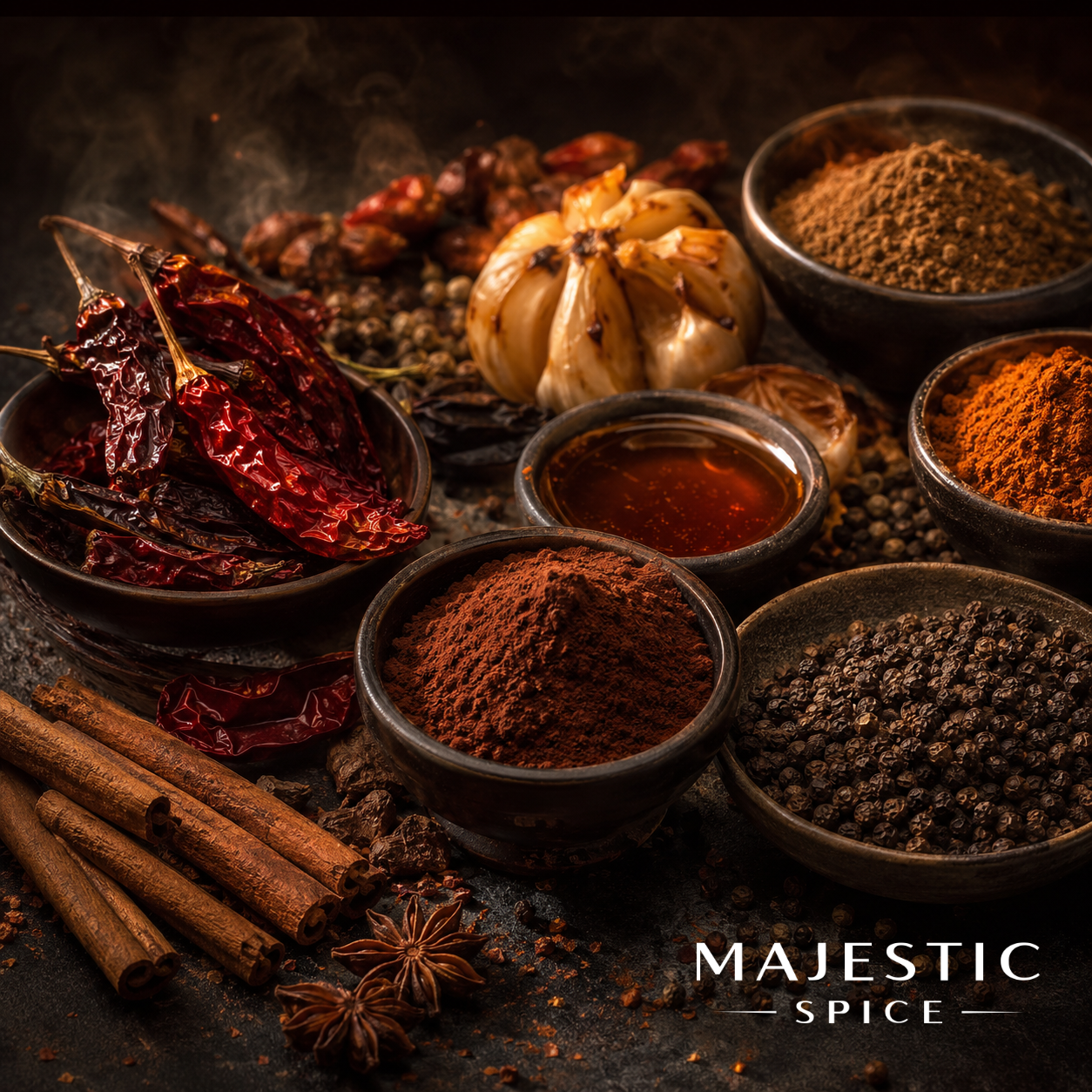
Sometimes the seasonal connection comes from smoke, heat, color, roasted flavors, warm spices, or an unexpected combination of familiar ingredients.
Halloween can work in savory categories too
There is no reason Halloween development has to stay in candy and bakery.
Snack products can move toward smoky, spicy, or darker flavor profiles. Proteins can use sweet-heat combinations, roasted notes, or deeper barbecue flavors. Sauces and dips can bring in warm spices or chile without becoming overly sweet.
Even a small change in the flavor direction can make a familiar product feel more seasonal.
For example:
- smoked chile with maple
- dark cocoa with chile and warm spices
- roasted garlic with black pepper and herbs
- apple with savory spices
- smoky barbecue with a touch of sweetness
- cranberry with ginger or chile
- cinnamon used as a background note instead of the main flavor
These are not necessarily “Halloween flavors” on their own.
What makes them seasonal is how they are combined and how they fit into the finished product.
Start with the application, not the holiday
One of the easiest ways to make seasonal development feel forced is to start with the holiday name and work backward.
A better place to start is the product.
Is the seasoning going on a tortilla chip? A protein? A sauce? A frozen meal? A snack mix?
The application affects how the flavor needs to be built.
A smoked chile seasoning that works on a snack may need to be adjusted for a sauce. A sweet-heat profile developed for a protein may become too sweet or too mild when moved into another application.
Fat, moisture, cooking method, surface area, and usage rate all influence how the final seasoning is perceived.
That is why a seasonal concept should still follow the same development process as any other commercial seasoning.
The flavor has to work on the actual product.
Familiar does not have to mean predictable
Seasonal products usually need some level of familiarity.
Consumers should be able to understand the flavor quickly.
But familiar does not have to mean using the exact same profile every year.
A manufacturer can take a recognizable fall note and move it in another direction.
Smoke can be paired with maple instead of traditional barbecue sweetness.
Cinnamon can sit quietly behind chile or cocoa instead of becoming the main flavor.
Apple can move into a savory application rather than staying in bakery.
The goal is not to make the combination unusual just for the sake of being different.
It still has to taste good.
A good seasonal concept usually has something consumers recognize and something that gives the product its own identity.
Color can also shape the seasonal experience
Flavor is only one part of how consumers experience a seasonal product.
Color and appearance can help reinforce the concept before the product is even tasted.
Paprika, chile powders, turmeric, herbs, and other spices can influence the visual direction of a seasoning along with the flavor.
For Halloween, deeper reds, browns, orange tones, charred notes, and visible spice particles may support the concept depending on the application.
But appearance still has to make sense for the finished product.
Adding an ingredient only for color can also change flavor, aroma, heat, or texture, which is why those decisions need to be made as part of the overall formula.
Think about commercial production early
Seasonal products usually have a limited selling window.
That makes development timing especially important.
Once a concept works, manufacturers still need enough time for trials, approvals, ingredient sourcing, production planning, packaging, and distribution.
A creative seasonal idea is useful only if it can be produced consistently at the required scale.
For custom seasoning development, it helps to define the basics early:
- finished application
- target flavor
- desired heat level
- usage rate
- processing or cooking method
- ingredient restrictions
- target cost
- production volume
- launch timing
The clearer the brief, the easier it is to develop a seasoning around the actual needs of the product.
Seasonal development does not need to follow the same formula every year
Halloween gives food manufacturers a good reason to experiment, but that does not mean every product needs pumpkin, cinnamon, or candy-inspired flavors.
There is plenty of room in savory categories for smoke, heat, roasted notes, sweet-and-savory combinations, warm spices, and other profiles that still feel appropriate for fall.
The strongest concepts usually start with a good product idea first.
The holiday should support it, not replace it.
At Majestic Spice, we work with food manufacturers on custom seasoning blends built around the finished application, from early flavor concepts through commercial production.
Working on a seasonal or custom seasoning project? Contact our team to discuss your application and development needs.